
NASA JOHNSON SPACE CENTER, FLIGHT SCIENCES LABORATORY
Secure Open OnDemand deployment for HPC at the Flight Sciences Laboratory
AT A GLANCE
- Browser-based access to HPC resources, MATLAB, JupyterLab, and visualization tools
- ATO-compliant, fully integrated into NASA's cybersecurity framework
- One unified browser interface for interactive and batch HPC computing
- Preserves existing workflows, applications, and operational processes while enabling infrastructure modernization
THE CHALLENGE
Access to visualization apps was a barrier, not a tool
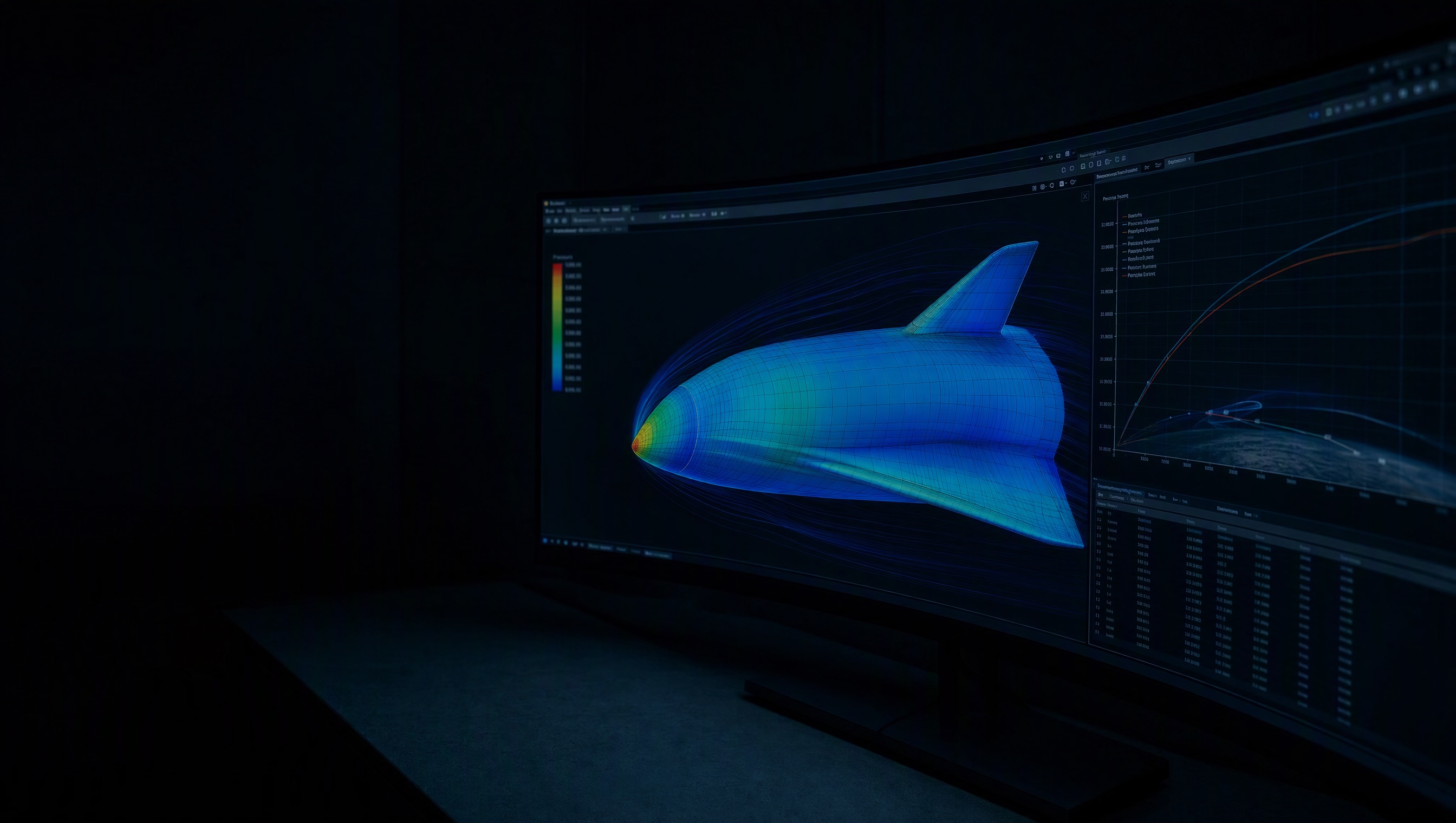
The NASA Flight Sciences Laboratory at Johnson Space Center operates a production HPC environment supporting engineering analyses across a broad range of aerospace disciplines, including Guidance, Navigation and Control systems, spacecraft trajectory design, atmospheric reentry and landing simulations, Computational Fluid Dynamics (CFD), and rendezvous operations with the International Space Station.
The existing infrastructure provided the required computational capabilities, but the remote visualization experience was fragmented. Engineers had to navigate multiple tools for visualization, job submission, and monitoring, creating unnecessary friction in computational workflows and increasing the time required to perform mission-critical analyses.
The challenge was not the infrastructure itself. It was access, usability, and security, all of which needed to work within the strict requirements of the NASA ATO cybersecurity framework.
Engineers across multiple aerospace disciplines relied on HPC for large-scale analysis and simulation, but fragmented remote visualization and access tools disrupted otherwise efficient workflows. Moving between separate interfaces for interactive applications, job submission, and monitoring added friction and slowed mission-critical engineering work.


WHAT WE DID
A unified interface, built inside the security perimeter
spinTwo deployed a secure web-based HPC access platform at NASA JSC, integrating it with the Flight Sciences Laboratory's production environment — including Slurm, Linux clusters, enterprise storage, authentication services, and engineering software — without disrupting ongoing operations.
- 1
Unified access to the HPC environment
Integrated the platform with Slurm, Linux clusters, storage, and authentication services, providing a single browser-based interface for job submission, queue monitoring, data access, and interactive computing. - 2
Interactive engineering workspaces
Enabled browser-based access to Linux desktops, MATLAB, JupyterLab, and remote visualization tools, allowing engineers to execute computational workflows without relying on multiple disconnected access methods. - 3
Production-ready within NASA's ATO
Engineered the platform to operate under NASA JSC's Authority to Operate (ATO), implementing authentication, authorization, system hardening, and security controls required for production deployment. - 4
Preserved existing engineering workflows
Modernized how users accessed HPC resources while leaving applications, software environments, and computational workflows unchanged. Engineers adopted the new interface without modifying their tools or the underlying HPC infrastructure.
TECHNICAL DETAILS
What was integrated
For buyers who want to go deeper into the technical scope of the engagement.
Platform
- Open OnDemand (OOD)
- Linux HPC clusters
- Slurm workload manager
Interactive environments
- MATLAB
- JupyterLab
- Linux desktop
- Visualization tools
Infrastructure
- Enterprise storage systems
- Centralized authentication
- Scientific software environments
Security and compliance
- NASA JSC ATO framework
- System hardening
- Security controls
- Cybersecurity integration
Working on a similar challenge?
Whether you need to modernize HPC access, meet federal compliance requirements, or deploy new infrastructure from scratch, we start with a diagnosis before we touch anything.